Headshots vs Portraits: What’s Right for Your Website?
Your website is often the first impression potential clients or employers have of you. The images you choose can significantly impact how visitors perceive your professionalism, personality, and credibility. But when it comes to personal or business branding, many people ask: Should I use headshots or portraits for my website? Understanding the difference and the purpose of each will help you make an informed decision that aligns with your brand goals.
What is a Headshot?
A headshot is a tightly cropped photo that focuses primarily on the face and shoulders. The goal of a headshot is to highlight your facial expression and present you as approachable and professional. These images are commonly used for LinkedIn profiles, corporate websites, company directories, and speaking engagement bios.

Why headshots matter:
-
They offer a clear and professional representation of you.
-
They create consistency for team or company pages.
-
They make you recognizable in professional spaces.
According to a study by Forbes, strong visual branding can increase consumer trust and engagement by up to 23%. In other words, a high-quality headshot is not just a nice-to-have—it’s a business essential.
What is a Portrait?
Portrait photography is broader. While a headshot focuses on your face, a portrait can include your full body or capture you in a setting that reflects your personality, industry, or brand story. Portraits allow for creativity, showcasing not just your appearance but your work environment, lifestyle, or values.
For example, if you are a fitness trainer, a portrait might feature you in a gym setting. If you are a business consultant, it might include you at a desk, with a laptop, or engaged in a client meeting.
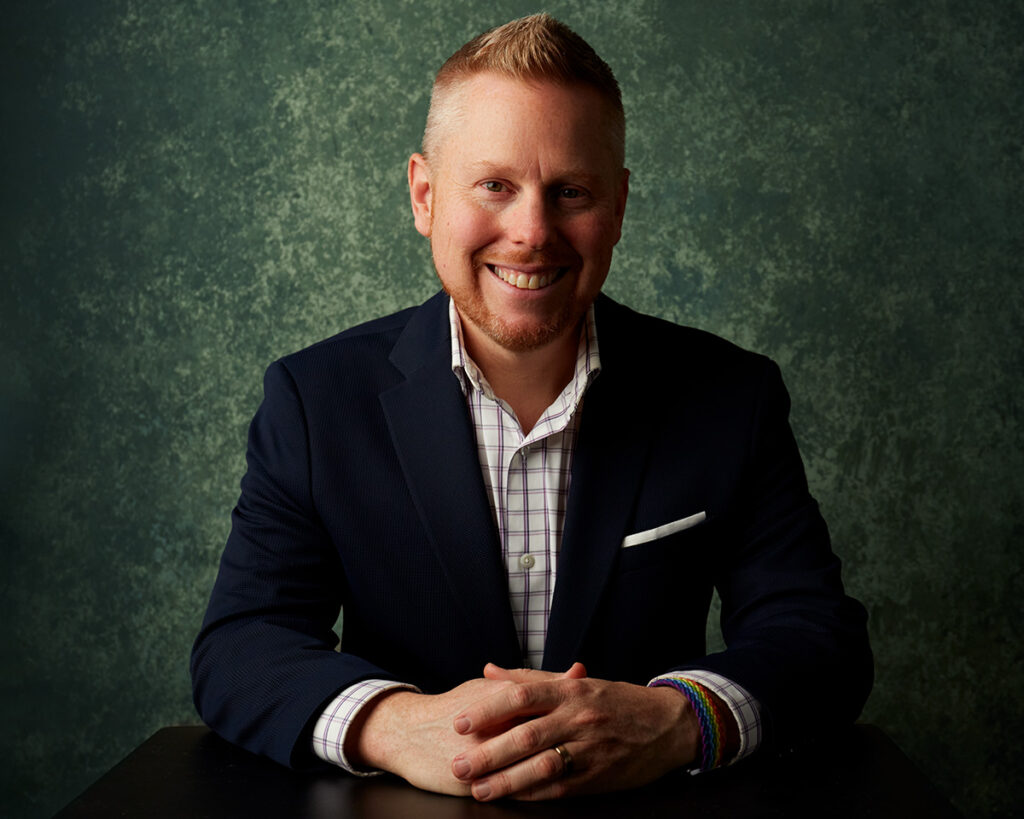
Professional Portrait
Why portraits matter:
-
They communicate personality and brand narrative.
-
They add depth and creativity to your online presence.
-
They are ideal for personal websites, blogs, and social media.
A HuffPost article notes that authenticity in visuals helps businesses build stronger relationships with their audience.
Key Differences Between Headshots and Portraits
| Feature | Headshot | Portrait |
|---|---|---|
| Focus | Face and shoulders | Full body or lifestyle setting |
| Purpose | Professional representation | Personality and storytelling |
| Background | Simple or solid color | Can include environment or props |
| Use Case | LinkedIn, corporate site, resumes | Blogs, personal sites, social branding |
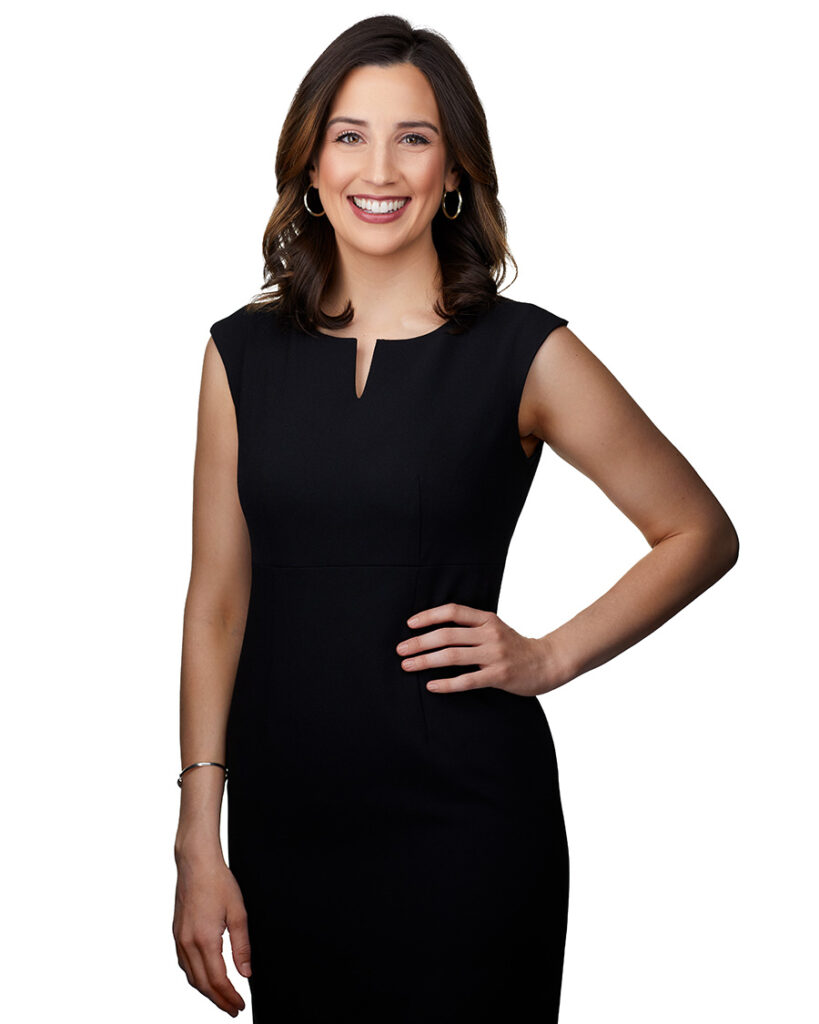
Professional Portrait
Professional Portrait
Which is Right for Your Website?
When deciding between headshots and portraits, consider these factors:
-
Purpose of Your Website
If your site is strictly professional, such as a law firm or corporate consultancy, headshots are usually the best fit. They convey credibility and consistency, especially across a team page. -
Your Brand Personality
If you want to highlight creativity, lifestyle, or behind-the-scenes moments, portraits provide a narrative-driven approach. For instance, a designer might use portraits to showcase their studio or creative process. -
Audience Expectations
Clients in traditional industries often expect formal headshots. Conversely, creative fields may embrace a mix of headshots and lifestyle portraits for a more relatable feel. -
SEO and User Engagement
Visuals can impact user engagement metrics. Research from HubSpot reveals that content with relevant images gets 94% more views than text-only content. Including well-optimized images—whether headshots or portraits—can also improve your site’s SEO.
Best Practices for Headshots and Portraits
For Headshots:
-
Choose a neutral background for clarity.
-
Maintain good lighting to highlight facial features.
-
Dress in solid, professional colors that represent your brand.
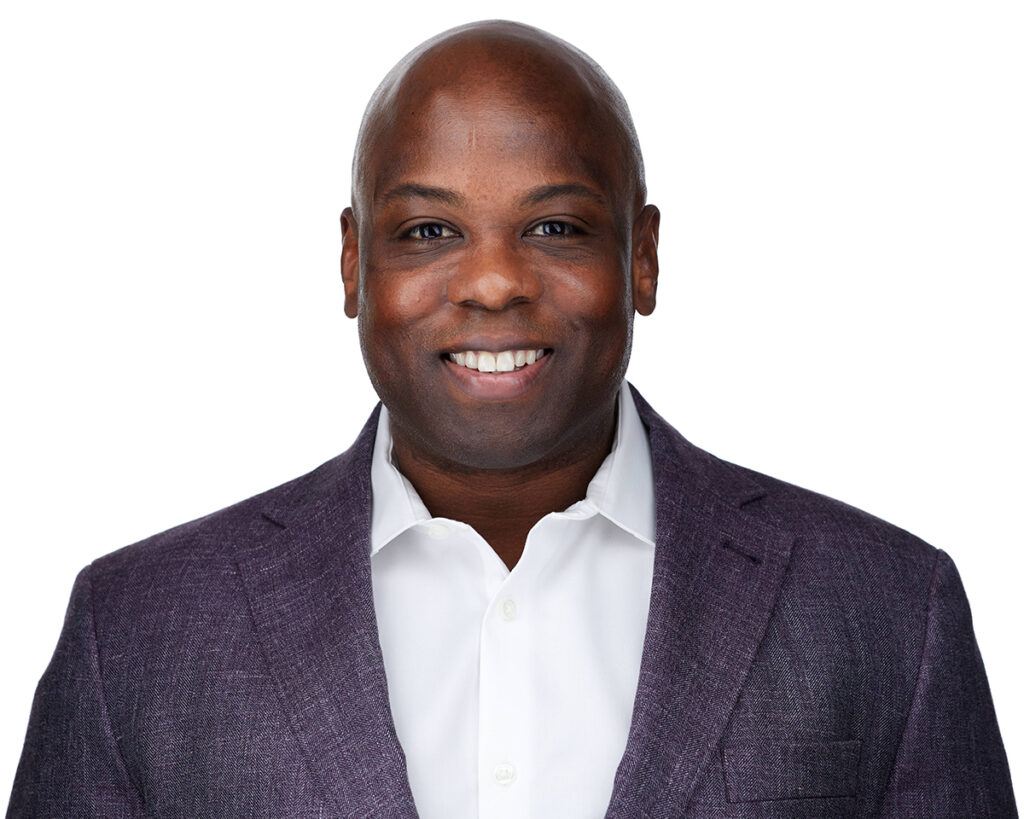
Executive Male Headshot
For Portraits:
-
Select an environment aligned with your work.
-
Incorporate props sparingly to avoid distractions.
-
Ensure consistency in tone and style across all images.
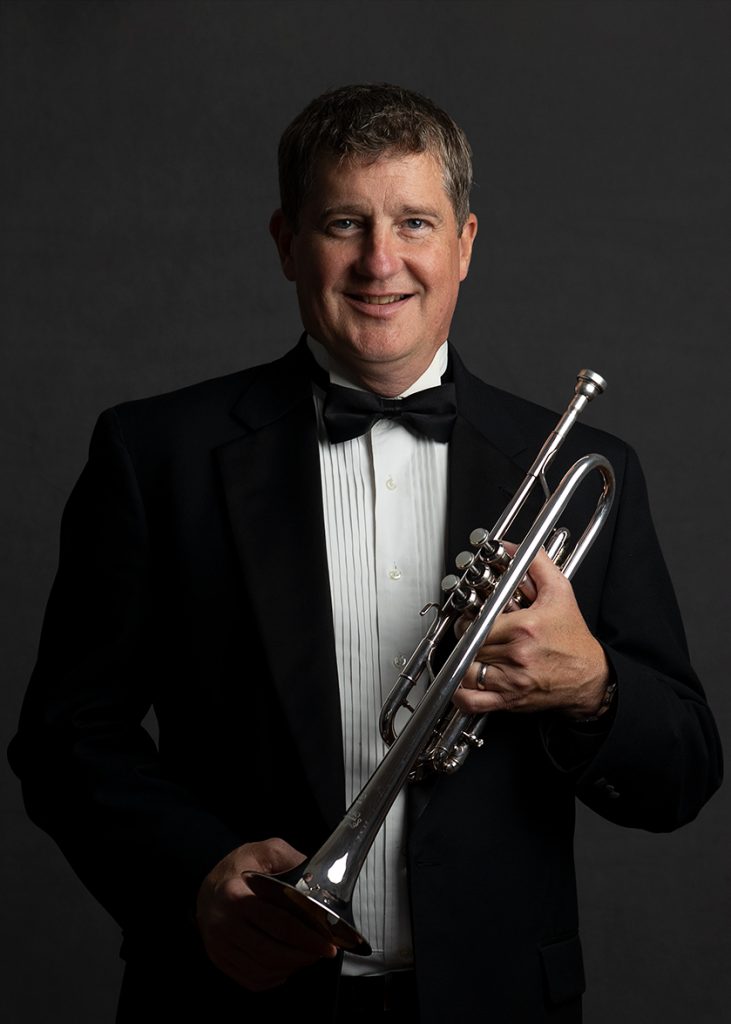
Professional Portrait
Can You Use Both?
Absolutely. Many businesses and professionals integrate headshots for formal sections (like the “About Us” page) and portraits for blogs or social media. This hybrid approach ensures professionalism without sacrificing personality.
Final Thoughts
Your website’s visuals play a critical role in shaping how others perceive you. A professional headshot is essential for establishing trust and authority, while a portrait helps tell your brand story in a more dynamic way. Ideally, work with a professional photographer who understands your goals and can deliver both styles to elevate your online presence.
Ready to book me for your wedding? If you are in the Washington DC metro area, contact me!