Professional Headshot vs AI Headshot: What Hiring Managers Actually Trust in 2025
Artificial-intelligence headshot generators exploded in quality and affordability over the last two years. Upload a handful of selfies, wait an hour, and you’re handed dozens of “studio-style” portraits for the price of lunch. The results can be startlingly convincing. Yet when you’re vying for a role, real trust, not just surface polish, decides whether your profile makes it past a human hiring manager.
So what do recruiters actually trust in 2025? Let’s separate the shine from the signal.
What “trust” means to a hiring manager
When a recruiter or hiring manager glances at your LinkedIn photo, they’re scanning for basic cues: Does this image look like the person who will walk into the interview? Is it current? Does it align with the level of executive presence the role demands? Recent work on leadership presence emphasizes authenticity as a core component of credibility, the online image should reflect the genuine professional standing behind it, not a manipulated persona. (See Harvard Business Review on the “new rules of executive presence” and authenticity-driven trust.) Harvard Business Impact
Transparency matters too. Organizations that communicate clearly, about tools, images, and processes—build trust faster than those that don’t. That principle, widely discussed in Deloitte’s trends work, applies to candidates as well: a profile photo that honestly represents you reduces downstream friction when meetings move from online to in-person.
What recruiters report in 2025
Here’s the nuanced reality. When researchers showed recruiters AI-generated headshots without telling them, many preferred the ultra-polished look. But once told an image was AI, two-thirds of recruiters said they’d be put off by it. In other words, undisclosed AI can look “better,” yet disclosed AI erodes confidence. That’s not a contradiction, it’s a trust story. (Coverage of a 2024 recruiter survey summarized by PetaPixel and Human Resources Online.)
Meanwhile, HR leaders are growing wary of an “AI halo” across applications, slick AI-written resumes, AI-touched videos, and yes, AI profile photos. Surveys of hiring managers in early 2025 point to rising concern about AI-generated application materials and deepfake misuse in interviews. Even when AI is helpful, many managers say they’re screening more carefully. (See ResumeGenius’s 2025 hiring survey.)
Why people can’t reliably spot fakes (and why that still doesn’t equal trust)
A second truth complicates things: humans aren’t great at detecting AI images. Multiple studies show that people often guess at chance levels; some even rate synthetic faces as more trustworthy than real ones. That perceptual challenge is part of the reason platforms and camera makers are testing the C2PA “content credentials” standard to cryptographically prove when and how an image was made. Adoption is uneven, but momentum is building across Adobe tools and some cameras. The Verge
However, difficulty detecting a fake doesn’t create trust. Trust comes from alignment: the image matches reality, the candidate looks like themselves in person, and nothing about the photo feels like a mask.
Professional headshot advantages you can’t fake
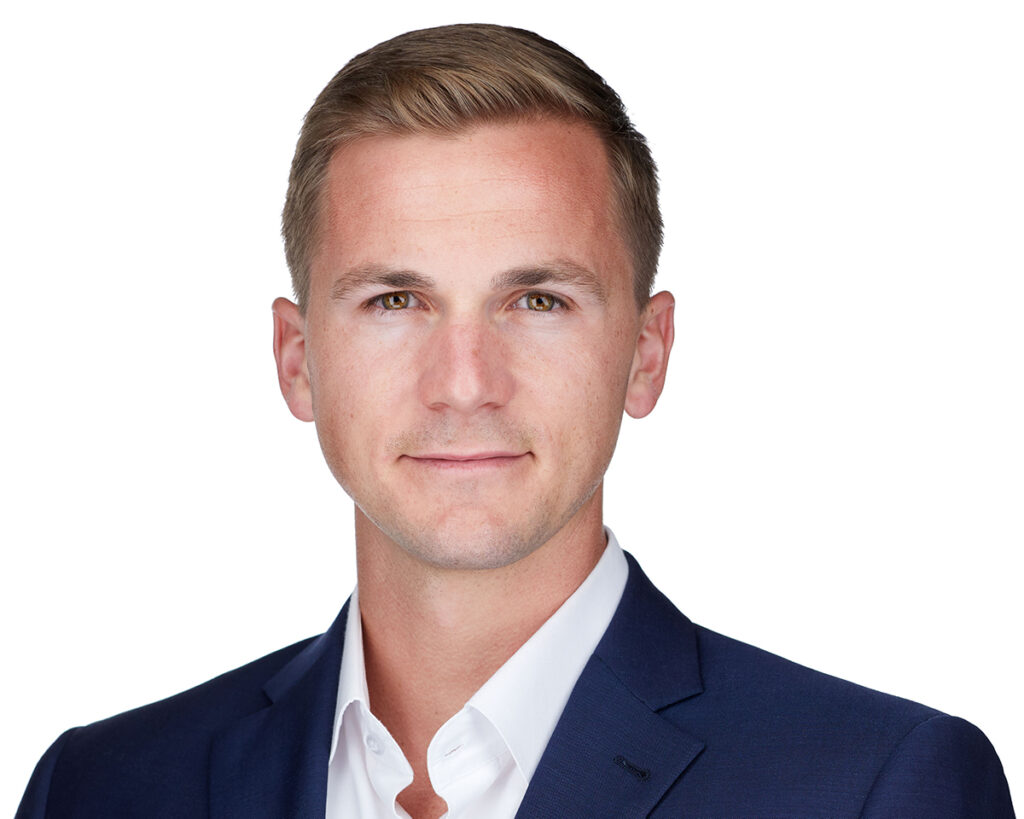
A professional headshot does more than retouch a blemish. It translates your role and personality into recognizable visual cues: wardrobe tuned to your industry, lighting that flatters without distortion, and expressions that read as approachable and confident across tiny mobile screens. Business outlets keep returning to the same guidance: use a current, high-quality photo, avoid distracting backgrounds, and optimize for clarity on LinkedIn. (Forbes offers practical headshot optimization tips and argues that a strong, current headshot signals you take your career seriously.) Forbes
That “current” point is huge. Outdated photos create micro-breaches of trust. If your headshot is five years and two hairstyles old, the disconnect shows up the moment you join a Zoom or walk into a lobby. Update cadence, roughly every 2–3 years, or sooner if your look changes—isn’t about vanity; it’s about continuity between your online brand and real-world meetings. (See guidance on updating profile images.) WIRED
Where AI headshots fit (carefully)
AI headshots can be useful—with caveats. They’re fast, inexpensive, and capable of clean, neutral looks. Many photographers even use AI tools somewhere in their workflow. But several industry voices note recurring pitfalls: subtle asymmetries, inconsistent skin tones, ill-fitting collars, and a kind of “too perfect” sheen that can feel generic or uncanny. (PetaPixel and Fstoppers both explored these tradeoffs.)
If you experiment with AI, treat it like a prototype, not the final product. Test whether your AI image genuinely resembles you today; compare it alongside recent candid photos. Most importantly, understand audience expectations: recruiter reactions flip when they realize a headshot is synthetic. When disclosure is required, or when platforms flag AI imagery, don’t expect an advantage. (Human Resources Online reporting on recruiter attitudes.)
What hiring managers actually trust: a decision framework
Use this quick rubric across common scenarios:
-
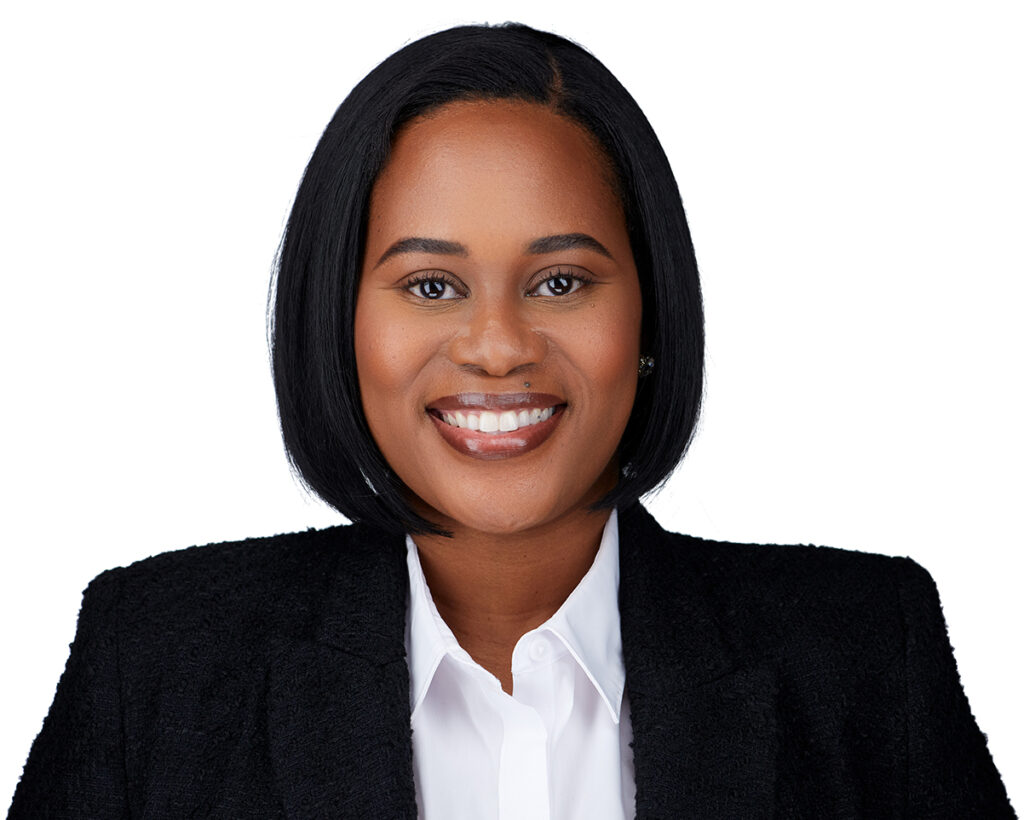
LinkedIn profile & resume photo: Choose a professional headshot that looks like you, right now. This is your most viewed image and the one most likely to be cross-checked in live meetings. (Forbes’s guidance aligns with this.)
-
Company bio & press kits: Professional, brand-consistent headshots that match the tone of your organization, no experimental AI here.
-
Conference speaker pages: Use a recent pro headshot to help attendees recognize you on site.
-
Early ideation or personal brand practice: AI can help test styles or framing before you book a session, but treat outputs as drafts.
-
Low-stakes internal avatars: If your company allows it and the likeness is accurate, an AI portrait might be acceptable. When in doubt, ask comms or HR.
The hiring-manager trust checklist
Whether your image is professional or AI-generated, evaluate it against these trust signals:
-
Accuracy: Would a colleague instantly recognize you?
-
Approachability: Neutral or warm expression; no heavy filters or plastic-skin effects.
-
Consistency: Same face across your LinkedIn, corporate bio, and speaker pages.
-
Context fit: Wardrobe and background that match your industry’s norms.
-
Transparency: If a platform labels AI images, or your employer requires disclosure, comply. The cost of being perceived as misleading is higher than any short-term aesthetic gain. (That’s the direction C2PA and platform disclosure features are heading.) The Verge
Practical tips (two paths)
If you go professional:
-
Update every 2–3 years or after a significant change. WIRED
-
Use clear, distraction-free backgrounds and flattering, consistent light.
-
Dress for the role you want and the culture you’re in. (Forbes offers concrete, recruiter-friendly advice.) Forbes
-
Ask your photographer for crops optimized for LinkedIn, ATS portals, and speaker one-sheets.
If you test AI (with caution):
-
Data in: Upload sharp, recent photos in diverse lighting and angles; avoid heavy filters.
-
Likeness check: If your partner or colleague says “that doesn’t look like you,” don’t use it.
-
Rights & privacy: Read terms; confirm you’re not licensing your face for model training without consent.
-
Disclosure: Be prepared for labels or questions. Recruiters report negative reactions when they recognize AI. Human Resources Online
-
Content credentials: Where supported, attach or preserve C2PA “content credentials” to clarify editing provenance. The Verge
Bottom line for 2025
AI will keep improving. It will also keep raising questions. Hiring managers, for their part, are signaling a simple preference: show up as the person they’ll meet, clearly, professionally, and without pretense. The safest, strongest trust play for LinkedIn and job search remains a professional headshot that looks like you today. Use AI as a sandbox if you must, but bet your brand on a photograph that aligns with how you lead and collaborate in real life. (Forbes on headshot value; HBR on presence; 2025 HR surveys on AI caution.) Resume Genius
If you’re in the Washington, DC area and want a headshot that elevates your profile without sacrificing authenticity, book a session with Sam Headshots (over 1,000 five-star Google reviews): www.samheadshots.com.
Sam Headshots has helped countless businesses create stunning, cohesive images that leave a lasting impression. Contact us today to schedule your team’s session!