A company can invest in leadership training, redesign its intranet, and publish a polished set of values, yet the day-to-day experience still hinges on something simpler: whether people feel seen, recognized, and connected. In that context, an internal event isn’t just a date on the calendar; it’s a rare moment when the organization gathers in the same place (or the same shared energy) and decides what matters. That’s exactly why a professional headshot booth belongs at the right internal events. Done well, it quietly upgrades culture, strengthens employer brand, and gives employees a career tool they’ll use immediately.
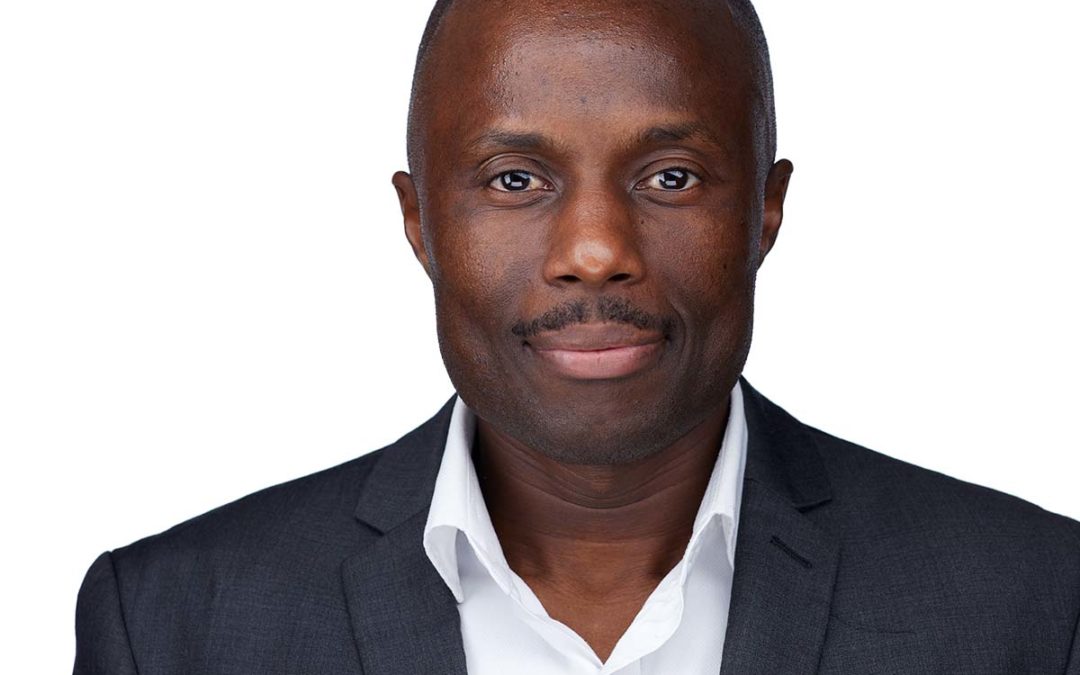
To begin with, let’s define the term. A “headshot booth” at an internal event usually means a compact, studio-style setup, professional lighting, a clean background, camera tethering for fast review, and a photographer guiding expression and posture, designed to deliver consistent, flattering, on-brand portraits at scale. In other words, it’s not a novelty photo station. Rather, it’s a service that produces real headshots employees can confidently use on LinkedIn, internal directories, Slack/Teams profiles, email signatures, speaking bios, and client-facing materials.
Why headshots matter more than most internal teams realize
Consider how often people “meet” inside a company now. Even when teams share an office, hybrid workflows still put names and faces on screens first, Teams calls, org charts, intranet profiles, messaging apps, and collaboration tools. Consequently, a headshot becomes a practical piece of workplace infrastructure: it reduces friction, accelerates recognition, and helps employees build trust across departments.
At the same time, employer brand is increasingly shaped by employee experience, not just marketing copy. Forbes has argued that employee experience is central to employer brand because people make judgments about an organization through how it treats, equips, and recognizes its employees. In that light, offering professional headshots at internal events is a “small” benefit that signals something larger: the company is investing in employees’ professional presence and mobility.
Meanwhile, employee engagement research repeatedly points to the importance of recognition and meaningful experiences. Gallup defines engagement as involvement and enthusiasm for work, and it connects engagement to performance outcomes. Likewise, SHRM highlights how engagement impacts productivity and stability, and why organizations keep looking for initiatives that build connection in the modern workplace. A headshot booth won’t replace good management, of course; however, it does amplify the value of the events you already run by making them feel tangible and personal.
The “professional” advantage: why quality is the whole point
Here’s the hard truth: internal headshots only work when they look consistently excellent. Otherwise, the company ends up with a directory full of mismatched images—some cropped too tight, others shot under fluorescent lights, a few pulled from vacation photos, and many missing entirely. That visual inconsistency sends a message, even if no one says it out loud.
By contrast, professional headshot photography is built for consistency: controlled lighting, coaching for natural expressions, background and crop standards, and post-production that keeps skin tones and contrast realistic. On LinkedIn specifically, the platform itself has stated that having a profile photo can make a profile far more likely to be viewed, and it shares practical guidance for creating a professional image. Additionally, academic research continues to explore how people interpret signals from profile photos, which is another reminder that images shape perception faster than text does.
Even so, internal stakeholders sometimes ask, “Can’t employees just use their phone?” In reality, phone photos create avoidable brand risk. Wired has reported on the social and professional drawbacks of outdated or inconsistent profile images, including the trust gap that can arise when a photo doesn’t match how someone looks today. Therefore, if the goal is credibility and consistency, professional capture is the most reliable path.
When should companies bring a headshot booth to internal events?
Although almost any gathering can support a headshot station, certain internal events make the ROI obvious. Below are the best moments, plus the “why now” triggers that help you decide.
1) Company-wide all-hands, annual meetings, and town halls
All-hands events bring scale. Since people are already present (or already paying attention), participation is naturally higher than a standalone photo day. Moreover, these meetings often include strategy updates, new leadership messages, or “where we’re going next,” which makes a headshot booth feel aligned with momentum: we’re evolving, and we’re showing up professionally.
Just as important, it’s the easiest time to reset visual consistency across the organization. If your directory has gaps, or if half your employees joined remotely and never got a proper portrait—an all-hands is the cleanest fix.
2) New-hire orientation and cohort onboarding days
If your company hires in waves (monthly or quarterly), onboarding days are ideal for headshots. In that case, a booth becomes part of the “welcome package,” right alongside access badges and IT setup. As a result, new hires start with a strong first impression inside the company, and they also get an external-facing photo for LinkedIn before they begin networking in their new role.
Furthermore, onboarding headshots solve a common internal pain point: incomplete profiles that make it harder for colleagues to recognize and collaborate with new team members. Tools and intranet platforms often emphasize that employee directories improve connection and collaboration; photos are a major part of making those directories useful rather than purely administrative.
3) Leadership offsites and executive summits
Leadership images circulate widely, press inquiries, speaking engagements, investor decks, internal announcements, and board materials. Accordingly, a headshot booth at an executive offsite protects brand quality where the stakes are high. It also ensures leaders aren’t using mismatched photos across departments or regions.
In addition, leadership offsites are often where organizational changes are announced. If titles shift or responsibilities expand, updated headshots help the internal story match the external reality.
4) Sales kickoffs, client-facing team meetings, and revenue events
Sales, customer success, and professional services teams live in relationship-building mode. Therefore, their headshots aren’t cosmetic, they’re credibility tools. When these teams attend a kickoff, a training summit, or a quarterly meeting, a booth can be positioned as performance support: “We’re equipping you to look as professional as you sell.”
Notably, this is one of the best places to standardize style: same background, same crop, same expression range. That consistency makes team pages and proposals look cohesive, which influences trust before a single call happens.
5) Internal conferences, training days, and career development weeks
Internal learning events are about growth. Consequently, pairing them with professional headshots is a perfect match: employees are already thinking about their careers, their next step, and their visibility. A headshot booth becomes an immediate, practical asset that supports internal mobility and leadership development.
Also, this type of event tends to attract employees who will actually use the photos, updating LinkedIn, submitting speaker proposals, refreshing intranet profiles, or preparing for mentorship programs.
6) Recognition events, anniversaries, and milestone celebrations
Recognition is not only about applause; it’s about making employees feel valued. Harvard Business Review has written about the power of affirmation and recognition in the workplace and how it reinforces contribution and meaning. Similarly, SHRM’s resources on recognition programs reflect how recognition connects to engagement strategies.
With that in mind, a headshot booth at a milestone celebration (company anniversary, awards night, completion of a major project) sends a subtle message: you matter here, and we’re investing in how you show up professionally.
7) DEI, ERG, and belonging-focused events
Belonging is strengthened when people feel recognized as individuals rather than headcount. HBR has discussed belonging as a fundamental workplace need with real engagement implications. For that reason, offering headshots at ERG summits or culture weeks can be framed as visibility: helping employees represent themselves authentically across the company and externally.
Importantly, this is where professional execution matters most, because consistency should never come at the expense of authenticity. A skilled photographer can coach expression and posture in a way that feels natural, respectful, and empowering.
8) Post-merger integrations, rebrands, and “new chapter” moments
Mergers and rebrands create identity shifts. As a result, employees often feel uncertainty about how the organization sees them. A headshot booth is a surprisingly effective “reset” tool: it produces a unified visual language across teams that may not yet feel unified culturally.
Likewise, rebrands come with new templates, new websites, new decks, and new messaging. Updated headshots make those brand materials believable, because the faces match the refreshed look.
9) Hybrid team meetups and return-to-office initiatives
When remote employees meet in person for the first time, the company has a rare chance to convert digital relationships into human ones. Therefore, headshots are not redundant, they’re reinforcement. After the meetup, those images live where hybrid work lives: the directory, Teams, Slack, and company announcements.
Additionally, employee engagement in the modern era is a persistent challenge, and many organizations are experimenting with strategies to keep people connected. A headshot booth won’t solve engagement on its own, but it can make a hybrid organization feel more cohesive by reducing the “I don’t know who that is” gap.
10) Internal communications refreshes: new intranet, directory, or org chart rollout
Sometimes the best trigger is operational. If you’re launching a new employee directory, updating the intranet, or reorganizing teams, headshots become the fuel that makes those tools actually work. Staffbase, for example, frames employee directories as a way to enhance communication and connection.
In short, if your internal comms team is building a better system, give them better visuals to power it.
How to decide quickly: a simple checklist
If you want a fast yes/no filter, use these decision triggers:
-
You’re hiring fast (new faces every month).
-
You’re hybrid or multi-location (people need help connecting).
-
Your directory is incomplete or inconsistent (brand and communication suffer).
-
Your teams are client-facing (credibility matters daily).
-
You’re changing (rebrand, merger, leadership shift, new org design).
-
You’re investing in culture and recognition (this makes it tangible).
If two or more are true, bringing a professional headshot booth to an internal event is usually worth it.
How to run a headshot booth that employees actually love
Even the best idea can flop if execution feels chaotic. Fortunately, a few choices make the difference.
First, match the format to your event. For high-traffic all-hands meetings, a walk-up line plus a few “express lanes” works well. On the other hand, for leadership sessions or smaller trainings, scheduled time slots keep everything calm and premium.
Second, plan for throughput. A professional booth can move quickly when it’s designed for speed: consistent lighting, a repeatable posing flow, and immediate image review. However, avoid treating people like a production line; a great photographer can keep the pace up while still making each person feel seen.
Third, set simple wardrobe guidance. A short pre-event email with a few practical tips, solid colors, minimal patterns, light grooming reminders—raises quality dramatically. In addition, if the budget allows, light touch-ups from a makeup artist (or a “shine control” station) can make employees feel more confident.
Fourth, standardize style. Decide your background, crop, and retouching approach before the event. Consistency is what turns individual headshots into a true brand asset.
Finally, communicate how images will be used. Employees should know where the photos will appear and how they can access them. Clear expectations reduce friction and improve participation.
Measuring success after the event
In the same way you measure other internal initiatives, set a few simple metrics:
-
Participation rate (headshots captured ÷ attendees).
-
Profile completion (directory photos added within 30 days).
-
Adoption signals (LinkedIn updates, Teams/Slack profile updates).
-
Talent outcomes (more internal mobility applications, better speaker bios, faster cross-team introductions).
-
Employee feedback (a quick post-event pulse survey).
Meanwhile, don’t ignore the qualitative wins: people often talk about headshots as a confidence boost, especially when they’ve avoided updating their photo for years.
In conclusion: the best internal events turn culture into something visible
A professional headshot booth works because it sits at the intersection of practicality and recognition. It improves internal communication, strengthens employer brand, and gives employees a career asset they can use immediately. Most importantly, it sends a message, without a long speech, that the company values people enough to present them well.
If your next internal event brings employees together for any meaningful purpose, growth, celebration, alignment, or change, bringing in a professional headshot photographer is one of the smartest, most visible upgrades you can make.
If you’re ready to upgrade, hire a professional who can architect the system, photograph your team, and document the playbook. As Forbes regularly reminds leaders, clear personal and brand narratives pay off; well-executed headshots are a fast, visible way to align those narratives. And if you’re in the Washington, DC area, Sam Headshots can help you roll out a consistent, camera-ready standard across your entire organization. For Los Angeles teams, our Headshotsbysam sessions and conference headshot stations bring the same level of polish to your West Coast offices.